
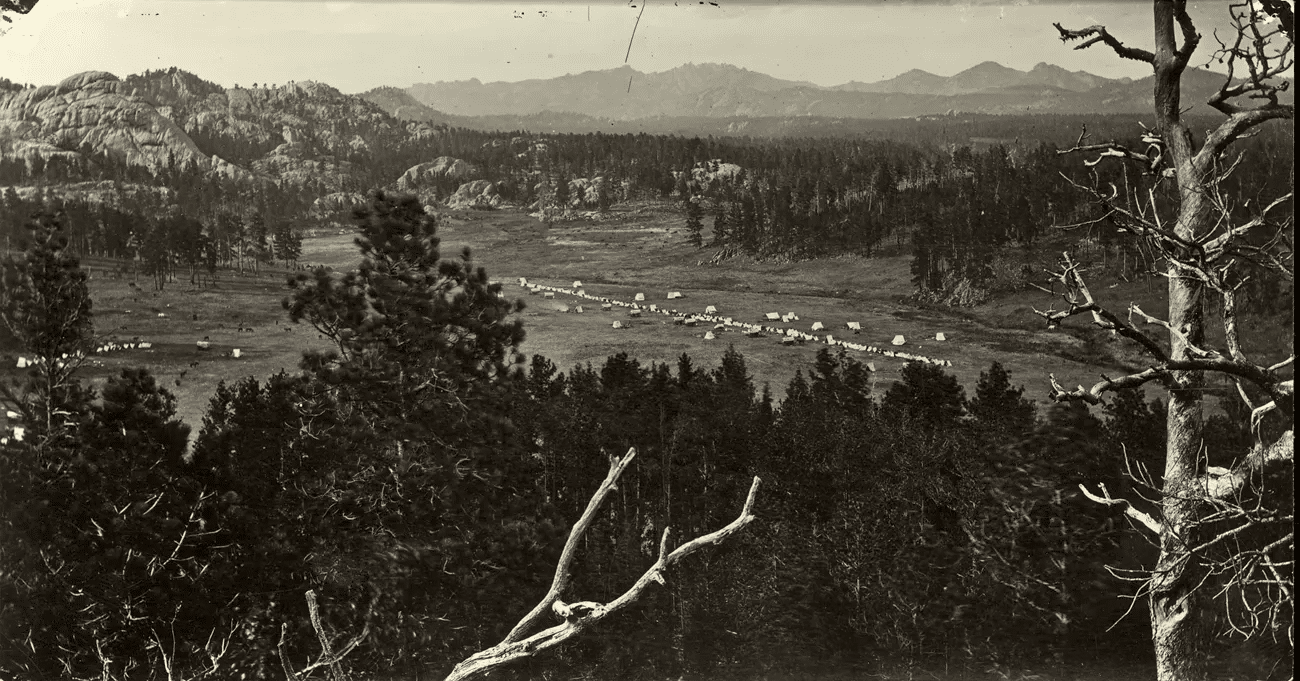
As the 150th anniversary of the Battle of the Little Bighorn approaches, tribes from across the Northern Plains, and the National Park Service, are preparing for a large gathering of nations and visitors. The NPS launches it’s 3-day commemoration beginning June 25, but tribal participants are planning for much more.
For members of the Northern Cheyenne, the event represents more than an historical observance. It offers the opportunity to instill unity and tribal pride, especially with the youth.
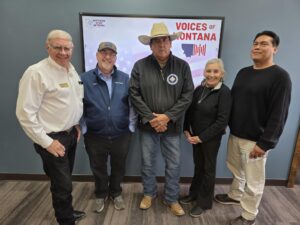
“It’s one of the most important pieces of our history and tribal identity,” said Eugene Little Coyote, assistant to Tribal Vice President Ernest Littlemouth Sr. “It represents resisting the taking of our land and our way of life.”
The Northern Cheyenne Tribal Council has formally backed the anniversary events, emphasizing the importance of remembering the battle from the perspective of the tribes involved.
Bringing the Cheyenne story forward
Tribal leaders say one goal of the commemoration is to highlight the Cheyenne role in the historic conflict. Little Coyote said the Cheyenne perspective has often been overlooked in public discussions about the battle.
“The Cheyenne role in the battle has been buried for various reasons, and we want to bring that part of the story forward,” he said.
The events of June 1876 followed months of conflict between U.S. forces and tribal nations across the Northern Plains.
According to Little Coyote, an important part of the Cheyenne story that year began in March 1876 at the Battle of the Powder River, when a Cheyenne village was attacked and destroyed by forces under General George Crook in what is now southeastern Montana.
Survivors joined with Lakota groups led by leaders including Crazy Horse and Sitting Bull. Several tribes then traveled and hunted together for protection as tensions with U.S. forces continued to grow.
Eight days before the Battle of the Little Bighorn, tribal forces fought another engagement with U.S. troops at the Battle of the Rosebud.
Large gathering planned
Organizers expect the 150th anniversary events to draw participation from tribes across the region. According to the National Park Service, 19 tribes are considered consulting tribes connected to the history of the battle.
Leaders with the Great Plains Tribal Chairmen’s Association have discussed bringing as many as 1,000 horseback riders to participate in a commemorative ride honoring the historic event.
The battle commemoration will include a weeklong gathering near the historic battlefield, where participants plan to camp near the location of the six tribal camp circles that existed at the time of the 1876 battle.
Cultural activities, educational programs and ceremonies are also planned.
Educating the next generation
Tribal leaders say educating younger generations is one of the central goals of the anniversary commemoration.
“A lot of our youth may not know about this history,” Little Coyote said. “We want them to feel proud of being Northern Cheyenne and understand the strength that comes from our culture and our ancestors.”
The event will also highlight cooperation among tribes and neighboring communities.
Little Coyote noted that members of the Crow Nation have welcomed Cheyenne and Lakota participants to camp on nearby private land during the commemorative events — a symbol of modern collaboration among tribes that historically faced conflict.
“It shows how people can come together today to remember history and move forward,” he said
Park Service Waiving Entrance Fees
The National Park Service has designated June 25–27, 2026, for the sesquicentennial observance at Little Bighorn Battlefield National Monument.
During the three-day commemoration, the monument will host interpretive programs and speakers, including historians and tribal voices, along with cultural demonstrations and parades reflecting multiple perspectives on the battle. Entrance fees will be waived, and off-site parking with shuttle service will be provided due to expected crowds.
The National Park Service notes that no battle reenactments will occur on the battlefield itself, but Little Coyote said tribes are in the planning stages for reenactments being held held off-site.


