
A Frozen Crime Scene: The Predator’s Calling Card
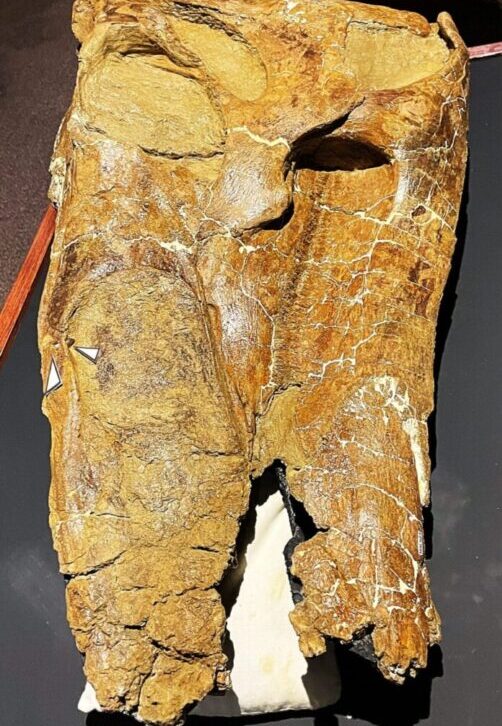
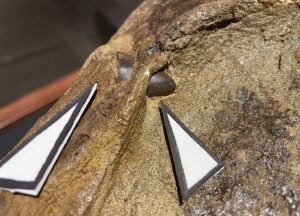
Visitors strolling through the Hall of Horns and Teeth at the Museum of the Rockies often pause at a duck-billed dinosaur skull that seems, at first glance, simply impressive in its size. But a closer look reveals a startling secret: a single, broken tooth embedded deep in the fossilized face. This “violent punctuation mark” from 66 million years ago is the centerpiece of a new study by Montana State University and the University of Alberta, offering an intimate glimpse into a prehistoric collision.
A Calling Card in the Snout
The skull belonged to an Edmontosaurus, a massive plant-eater that lived alongside the formidable Tyrannosaurus rex. Discovered in 2005 in the Hell Creek Formation on land managed by the BLM’s Miles City Field Office, the find was remarkably complete. However, its most startling feature—a predator’s tooth lodged in its snout—wasn’t revealed until careful preparation. Through CT scans performed at Bozeman Health Deaconess Hospital, scientists examined how the tooth fractured and wedged into the bone, preserving a split-second of prehistoric violence.
Evidence of a Fatal Encounter
The position of the tooth offers chilling clues. Lodged in the nose, it suggests a face-to-face encounter. Crucially, there are no signs of healing in the bone, meaning the animal either died from the attack or was already dead when the T. rex tore into it. “The force required to drive a tooth into bone—and snap it—would have been tremendous,” says John Scannella, curator of paleontology. While the debate over whether T. rex was a hunter or a “giant land vulture” scavenger continues, this fossil captures undeniable behavior—powerful, close-quarters feeding.
Legacy of the Late Cretaceous
This discovery highlights the vital role of the Department of the Interior’s paleontology program. Under the Paleontological Resources Preservation Act, agencies like the BLM safeguard these treasures on public lands. By excavating under federal permits, the Museum of the Rockies ensures these finds are available for global research and public education. For those inspired by these prehistoric mysteries, programs like the Junior Paleontologist initiative allow the next generation to explore and protect our nation’s fossil heritage. Standing before the fossil today, it is easy to imagine the thundering confrontation on an ancient floodplain—a reminder that even in deep time, survival was never guaranteed.
Get Involved: Aspiring scientists can learn more about protecting our history through the National Park Service Junior Paleontologist Program.
Source: This article was adapted from a report by Mark Jacobsen of the DOI/BLM, in coordination with the Museum of the Rockies and Montana State University.


