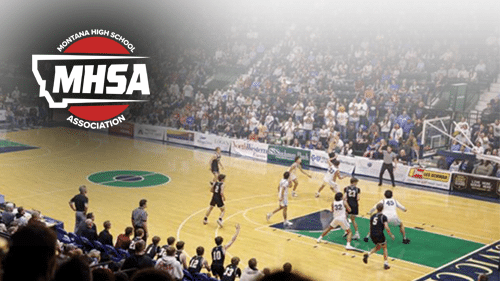
High school sports in Montana — like much of the country — are facing a growing shortage of referees and game officials.
The issue has developed over the past decade as longtime officials retire and fewer new recruits enter the profession. Officials say the shortage has become noticeable enough that schools sometimes adjust game schedules just to make sure there are enough referees available.
Amy Bartels, Assistant Director of the Montana High School Association and the organization’s coordinator of officials, says the need is especially pronounced in smaller communities.
“We are always in need of officials, especially in those rural areas,” Bartels said during an appearance on the Voices of Montana radio program. “Montana is a big state and we have a wide variety of areas we need to accommodate.”
Officials often work games across multiple levels — from elementary and middle school competitions to high school athletics and even college contests — which can require significant travel and time commitments.
Poor Fan Behavior Being Addressed
Another factor contributing to the shortage is the behavior officials sometimes encounter from fans, coaches, and even players.
“Officials do hear what’s said from the stands,” said 25-year veteran referee Shane Lile. “It can be difficult when people call you out personally, by name.”
Still, Lile says there are encouraging signs that fan behavior is improving in many communities.
“In the last few years we’re getting more pats on the back when we walk off the court than we used to,” he said. “I think we’re on an upswing.”
Bartels says schools and athletic administrators also play an important role in maintaining a respectful environment.
“The biggest thing is making sure crowds are supportive of everyone on the floor — the student athletes, the coaches, and the officials,” she said.
Incredibly Rewarding
Despite the challenges, officials say the job can be incredibly rewarding.
Lile says passion for sports and the relationships built with fellow officials keep many referees involved for decades.
“We’re out there because we care about the game and the kids playing it,” Lile said.
“And the camaraderie is huge,” he said. “The guys you work with become great friends. You spend winters together officiating games, and many of us spend time together outside of basketball as well.”
Montana Recruiting Younger Officials
To help address the shortage, organizers are working to recruit younger officials.
A Junior Referee Clinic is scheduled for Saturday, April 11 in Fairfield and is open to students in grades 6 through 12. The clinic will introduce participants to the basics of officiating, including rules and mechanics.
Students interested in participating can register online at KidsRefNow.com. Space is limited, and the clinic includes a small $40 registration fee.
Bartels says programs like that clinic — along with mentorship from experienced officials — are key to developing the next generation of referees.
Officials can begin working games as early as their freshman year of high school.
“We’re always looking for people who love sports and want to give back to their communities,” Bartels said.