
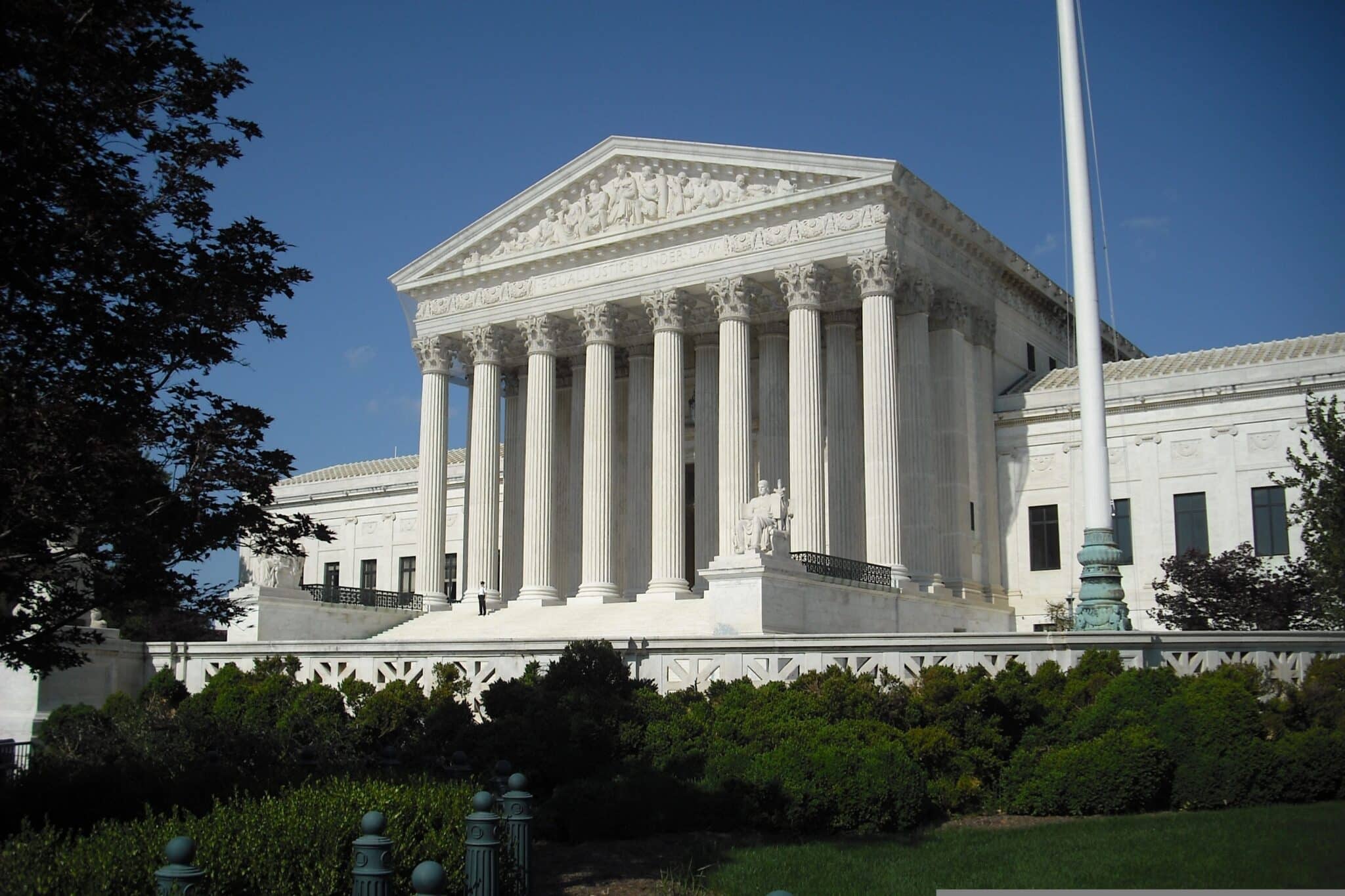
Supreme Court Decisions Spotlight Free Speech and Birthright Citizenship
Two high‑profile U.S. Supreme Court cases were on the Voices of Montana docket as host Tom Schultz was joined by Derek Oestreicher, Chief Legal Counsel and Director of Government Affairs for the Montana Family Foundation. Together, they unpacked the implications of a major First Amendment ruling and a closely watched challenge to birthright citizenship.
Court Slams Colorado Law as Viewpoint Discrimination
In an 8–1 decision issued March 31, the Supreme Court struck down a Colorado law that restricted what licensed counselors could say during talk‑therapy sessions with minors. The law allowed counselors to affirm gender transition but prohibited discussions aimed at helping minors reconcile with their biological sex—often labeled “conversion therapy” by critics.
The Court ruled that the law engaged in unconstitutional viewpoint discrimination, violating the First Amendment by permitting one perspective while banning another. Justice Neil Gorsuch authored the majority opinion, with Justice Ketanji Brown Jackson the sole dissenter.
Oestreicher emphasized that the ruling extends well beyond counseling. “The government can regulate malpractice,” he explained, “but it cannot impose ideological orthodoxy by deciding which conversations professionals are allowed to have.”
The decision sends a strong signal to states that professional licensing does not erase constitutional protections. According to Oestreicher, the ruling is a warning against laws that suppress disfavored perspectives—particularly religious or Christian worldviews—under the guise of regulation.
With 22 states maintaining laws that restrict so‑called conversion therapy, the Court’s broad consensus suggests a potential shift in how such statutes will be evaluated moving forward.
CLICK HERE for the Voices of Montana podcast on this and other important topics.
Birthright Citizenship Case Raises Constitutional Questions
The Justices recently heard oral arguments on another case with broad implications for the Birthright Citizenship Clause of the 14th Amendment. The case stems from an executive order issued by President Trump seeking to deny automatic citizenship to children born on U.S. soil to parents who are in the country illegally or temporarily.
At the heart of the dispute is the phrase “subject to the jurisdiction thereof.” The administration argues this excludes certain non‑citizen children, while challengers point to over a century of precedent—most notably United States v. Wong Kim Ark—affirming birthright citizenship with only narrow exceptions.
Oestreicher noted that justices appeared skeptical during oral arguments, citing stare decisis, historical interpretation, and practical concerns about creating a permanent class of stateless children. He also raised separation‑of‑powers issues, questioning whether a president can override a constitutional amendment by executive order.
“If changes are needed,” Oestreicher said, “Congress is the more appropriate place to address them.”