Global Conflict Highlights Strain on Energy Supply Chains
Instability in the Middle East is once again putting pressure on global energy markets, underscoring the importance of reliable transportation infrastructure for oil and gas.
During a recent interview on Voices of Montana, Montana Petroleum Association Executive Director Sonny Capece said conflict involving Iran has contributed to volatility in crude oil markets. Prices briefly spiked near $120 per barrel before settling closer to $100-$110 as markets adjusted.
Because oil is traded globally, disruptions anywhere in the world can quickly ripple across markets.
“Oil is a global commodity,” Capece said. “What happens in one part of the world affects prices everywhere.”
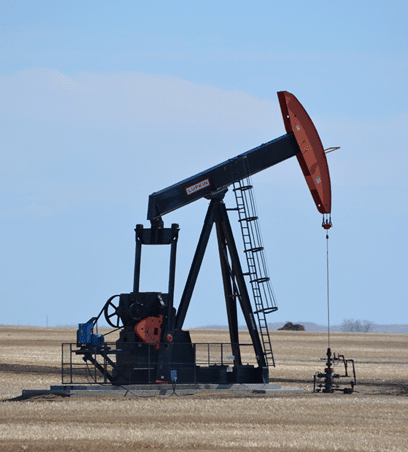
While the United States has expanded domestic energy production in recent years, Capece noted that producing energy is only one part of the equation. Moving crude oil to refineries and eventually to consumers requires an extensive network of pipelines, terminals, and transportation infrastructure.
“It’s not just pulling it out of the ground,” Capece explained. “You have to move it through pipelines and refining systems efficiently. The entire system has to work together.”
Industry leaders say improving that supply chain has become a growing priority following the disruptions seen during the COVID-19 pandemic and ongoing geopolitical instability.
Proposed Pipeline Could Strengthen Regional Infrastructure
A new pipeline proposal moving through the regulatory review process could play a role in strengthening North American energy transportation networks.
The proposed Bridger Pipeline Project would construct a 647-mile, 36-inch underground pipeline from the Canadian border in Phillips County, Montana, to an existing terminal near Guernsey, Wyoming, passing through Valley, Daniels, Sheridan, Roosevelt, Richland, Wibaux, Fallon, and Carter counties. The project mirrors the previous Keystone XL Pipeline, which was cancelled by the Biden Administration after now-named TC Energy had already invested $1.8 billion on the $9 billion plan.
The Bridger project would cross private, state, and federal lands, including areas managed by the Bureau of Land Management, the U.S. Forest Service, and the U.S. Army Corps of Engineers.
Public Meetings Scheduled in Montana
Federal and state regulators are now seeking public input as part of the environmental review process.
The Bureau of Land Management and Montana Department of Environmental Quality will host public meetings this month to provide information about the proposal.
Meetings are scheduled for:
- Glasgow, Tuesday, April 14, 5-7 pm
- Cottonwood Inn & Suites, 54250 US Highway 2
- Miles City, Wednesday, April 15, 5-7 pm
- Sleep Inn and Suites, 1006 S. Haynes Ave
- Thursday, April 16, 5-7 pm
- Virtual, register to attend
A separate meeting will also take place in Newcastle, Wyoming on April 13.
State regulators must complete the environmental analysis before deciding whether to issue the project a Certificate of Compliance under Montana’s Major Facility Siting Act.
For supporters, the project represents an opportunity to strengthen North American energy supply chains. For critics, the pipeline transports and promotes the use of fossil fuels, which they believe is a substantial environmental health risk.
Either way, the discussion highlights a growing national debate over energy security, infrastructure, and the role of domestic production in stabilizing global markets.