
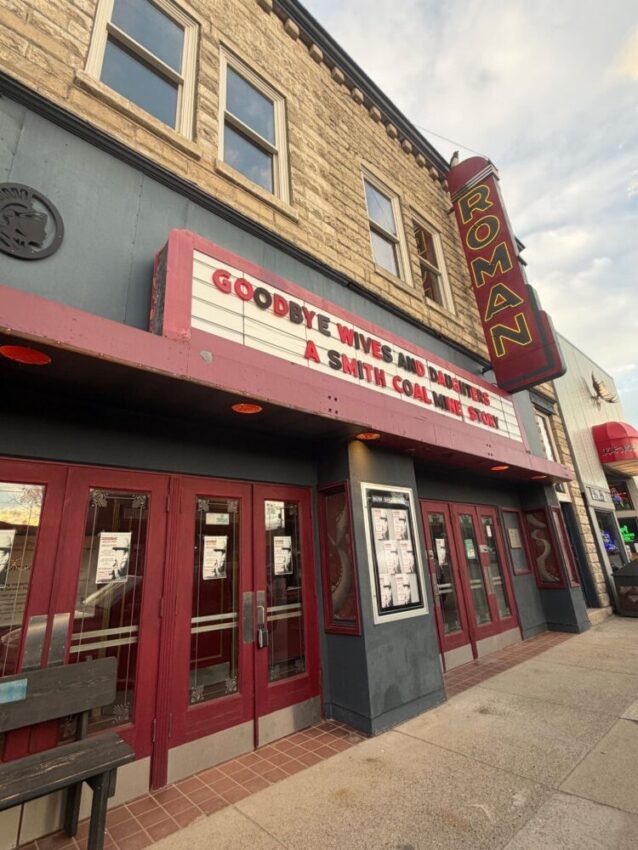
RED LODGE, Mont. — Eighty-three years after Montana’s deadliest mining disaster, a new song and community event are helping preserve the memory of the 74 miners who died in the 1943 Smith Mine explosion near Bearcreek.
Singer-songwriter Linda McKenzie recently released “Goodbye Wives and Daughters,” a tribute inspired by one miner’s final chalk message scrawled on a dynamite box lid deep underground: “Goodbye wifes and daughters.”
The explosion occurred Feb. 27, 1943, during the height of World War II, when coal from Carbon County was in high demand to power smelters supporting the war effort. Seventy-seven miners had reported for the morning shift. Three survived. The remaining 74 died from the blast, burns or toxic gas. A rescuer later died from gas exposure weeks after the explosion.
“It looked like 1943 had just stopped in time,” McKenzie said of visiting the site, now marked by a small roadside plaque. “When I read that note, I couldn’t shake it. He knew he was going to die.”
The tragedy was later attributed to a buildup of methane and carbon monoxide that ignited coal dust in the mine. The force of the blast was powerful enough to knock a locomotive engine off its tracks, according to historical accounts.
Becky Van Horn, historic preservation officer for the Carbon County Historical Society and Museum, said many of the miners were immigrants or first-generation Americans. Some were in their 70s. Many donated significant portions of their paychecks to war bonds.
“They were soldiers of coal,” Van Horn said. “They were supporting the war effort from here.”
The museum, housed in Red Lodge’s 1909 Labor Temple building — constructed by coal miners for their labor union — preserves the story through exhibits, including a walk-through coal mine display created from molds taken from an actual mine.
McKenzie premiered the song’s music video Feb. 27 at the Roman Theater in Red Lodge, the same venue where memorial services were held in 1943. The event drew a standing-room-only crowd.
At the end of the video, the names of the victims scrolled across the screen. Audience members sat silently reading them.
“You could hear a collective sigh,” McKenzie said.
Van Horn said the tragedy, largely overshadowed by wartime headlines, remains deeply rooted in the community’s history.
“It was preventable,” she said. “But it also reflects sacrifice and determination. It’s important that we continue telling their story.”
McKenzie said any proceeds from the song and video will be donated to the Carbon County Historical Society and Museum to support ongoing preservation efforts.
By: Tom Schultz
Voices of Montana Host


